The Neuroscience of Suggestion
Hypnosis is not stage magic. It is a clinically verified state of focused attention, reduced peripheral awareness, and an enhanced capacity for response to suggestion.
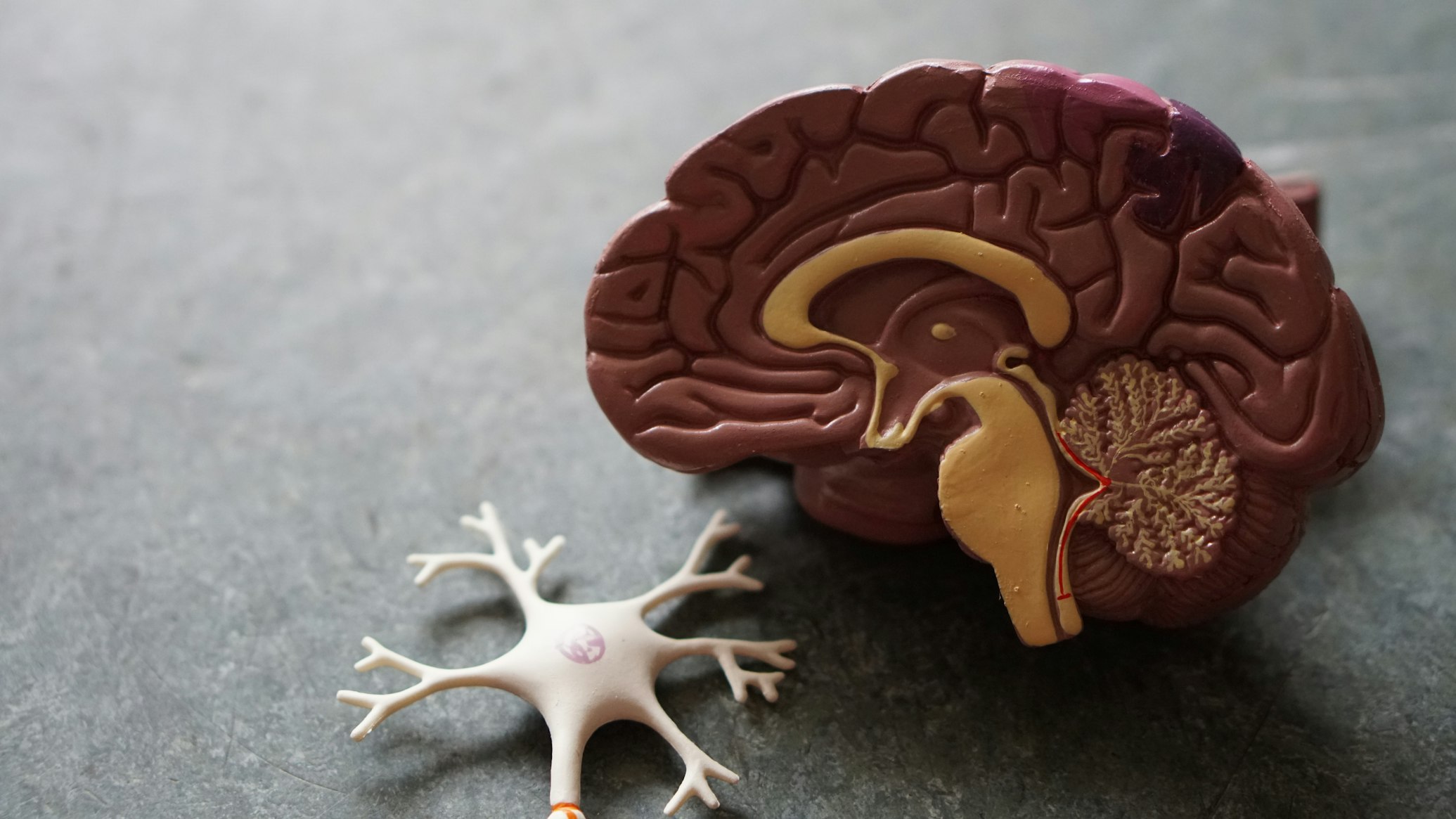
Bypassing the Default Mode Network
In patients with insomnia, the brain's Default Mode Network (DMN)—responsible for mind-wandering and rumination—remains hyperactive when trying to sleep. This creates a feedback loop: you worry about not sleeping, which spikes cortisol, which prevents sleep.
Clinical sleep hypnosis interrupts this loop by occupying the prefrontal cortex with specific sensory tasks. According to a 2018 meta-analysis published in the Journal of Clinical Sleep Medicine (JCSM), directed cognitive focus significantly reduces sleep latency (the time it takes to fall asleep) by an average of 18 minutes in chronic insomniacs.
The Vagus Nerve and Parasympathetic Tone
Our tracks don't just rely on words. They incorporate paced breathing protocols. By elongating the exhalation relative to the inhalation, you stimulate the vagus nerve. This signals the parasympathetic nervous system (the "rest and digest" network) to release acetylcholine, actively slowing the heart rate and lowering blood pressure.
| Brainwave State | Frequency (Hz) | Role in Sleep |
|---|---|---|
| Beta | 13 - 30 Hz | Active waking state. Hyper-arousal in insomnia. |
| Alpha | 8 - 12 Hz | Relaxed, passive attention. The gateway to sleep. |
| Theta | 4 - 8 Hz | Light sleep (N1/N2). Hypnagogic state. |
| Delta | 0.5 - 4 Hz | Deep, restorative slow-wave sleep (N3). |